Steel Reinforced Thermoplastic Pipe (SRTP)
Steel Reinforced Thermoplastic Pipe (SRTP)
Implementation Standard: CJ/T 189-2007
Material: High density polyethylene (HDPE)
Caliber range: DN50mm-DN800mm
Custom orders are supported.
Description
1.Product Introduction
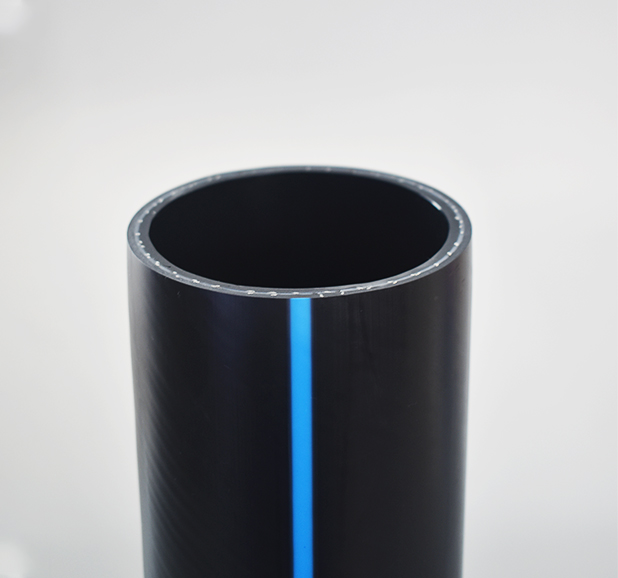
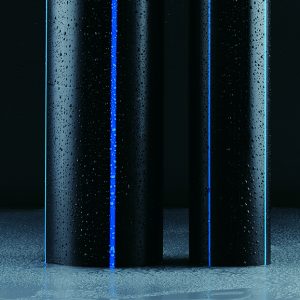
The Steel Reinforced Thermoplastic Pipe (abbreviated as SRTP) is an improved new type of steel-reinforced plastic composite pipe. It is manufactured using high-strength plastic-coated steel wire mesh skeleton and thermoplastic polyethylene as raw materials. The structure employs a spirally wound steel wire mesh as the skeleton reinforcement for the polyethylene plastic pipe, with high-density polyethylene (HDPE) as the matrix. High-performance modified HDPE adhesive resin is used to tightly bond the steel wire skeleton with the inner and outer layers of high-density polyethylene, resulting in excellent composite performance.
This pipe design ingeniously encapsulates the high-strength steel wire reinforcement within continuous thermoplastic plastic, thereby overcoming the respective shortcomings of steel pipes and plastic pipes while retaining the advantages of both. It maintains the superior pressure-bearing performance of steel pipes and leverages the excellent hygiene properties of plastic pipes, along with features such as ease of installation, technical reliability, and long service life.
Parameter Category | Specific Indicators | Technical Parameters/Features | Reference Standards/Basis |
Basic Parameters | Product Standards | CJ/T 189-2007 | Industry Standards |
Dimensional Specifications | Reinforcement Skeleton | High-Strength Coated Steel Wire | Structural Features |
Matrix Material | High-Density Polyethylene (HDPE) | Material Composition |
Pipe Diameter Range | DN50mm-DN800mm | Product Specifications |
Steel Wire Winding Angle | 54.7° | Process Parameters |
Performance Characteristics | Service Life | 50-Year Design Life | Durability |
Hydraulic Characteristics | Smooth inner wall reduces head loss by 30% | Fluid Performance |
Corrosion Resistance Performance | Dual-Sided Corrosion Resistance | Corrosion Resistance |
Connection Methods | Electrofusion Connection | Installation Characteristics |
3.Connection Methods
- Steel Reinforced Thermoplastic Pipe primarily employs electrofusion connection technology:
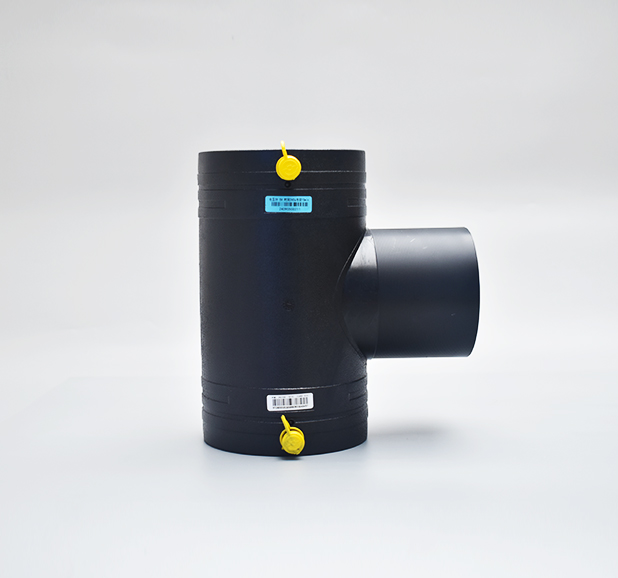
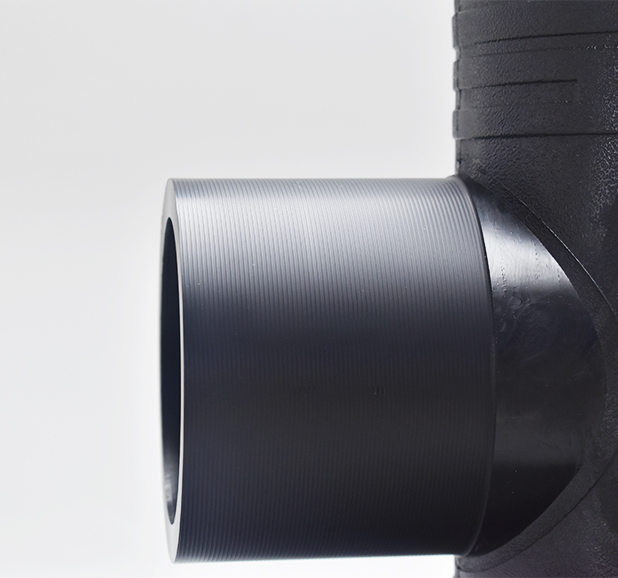
- Basic Principle:The pipe uses polyethylene electrofusion fittings. During connection, the internal heating element within the fitting melts the outer plastic layer of the pipe and the inner plastic layer of the fitting, securely joining the pipe and fitting together.
- Specialized Equipment:A dedicated electrofusion welding machine is required for the connection process.
- Construction Techniques and Precautions:
- Optimizing Insertion: If insertion into the electrofusion fitting is difficult, the pipe wall thickness may be appropriately ground down. Care must be taken to avoid excessive grinding, as this can compromise welding quality.
- Alignment Assurance:Strive to keep both pipe sections on the same horizontal line. This facilitates easier insertion into the electrofusion fitting during tapping.
- Pipe End Treatment:If the pipe end is deformed, it may hinder construction progress. It is recommended to first use a circular shaping tool to restore the pipe end.
- Long Pipe Installation:When pipes are connected to a considerable length, or when the pipe diameter is too large for easy connection, using a rope tensioner is advised.
- Ambient Temperature:It is recommended to perform connections when the ambient temperature is relatively low. Due to the thermal expansion and contraction properties of the pipe, lower temperatures prevent pipe expansion, thus avoiding increased connection difficulty.
4.Key Advantages & Selling Points
- Outstanding Structural Performance
- Stress Crack Resistance:Effectively overcomes the issue of rapid stress cracking common in plastic pipes. The composite structure of steel and plastic fundamentally eliminates the rapid stress failure typical of standard plastic pipes.
- High Strength and Rigidity:Possesses superior strength, rigidity, and impact resistance compared to standard solid-wall plastic pipes. It exhibits characteristics similar to steel pipes, such as a low coefficient of linear thermal expansion and excellent creep resistance.
- Superior Composite Integrity:The reinforcing skeleton is fully integrated and encapsulated within the inner and outer plastic layers, forming a unified whole. This eliminates the risk of delamination between the plastic layers and the reinforcing structure.
- User-Friendly Convenience
- Easy Installation:Lightweight for easy handling and installation. Uses electrofusion joining for connections, offering strong resistance to axial pull-out force. The connection technology is mature and reliable, with a comprehensive range of fitting types and specifications available, allowing for connections with various other pipes, valves, and equipment.
- Excellent Hydraulic Properties:Smooth inner wall minimizes scaling and reduces head loss by approximately 30% compared to steel pipes.
- Durability and Cost-Effectiveness
- Long Service Life:Designed and manufactured for a service life of 50 years.
- Dual-Side Corrosion Resistance:Offers the same excellent corrosion resistance as plastic pipes, along with high-temperature performance and low thermal conductivity.
- Flexible Design:Capable of manufacturing pipes for different pressure ratings by adjusting parameters such as steel wire diameter and plastic layer thickness.
5.Product Applications
As a high-performance new-generation piping product, Steel Reinforced Thermoplastic Pipe is widely used in the following fields:
- Municipal Sector:Water supply companies, municipal gas, water supply and drainage network construction, utility tunnels, urban development, rural safe drinking water projects.
- Industrial Applications:Oil fields, power plants, chemical and petrochemical plants, seawater utilization pipelines.
- Agricultural Use:Agricultural water-saving irrigation systems.
- Fire Protection Systems:Buried fire protection networks.
- Environmental Engineering:Sewage collection and conveyance systems.
6.Testing & Certifications
The production and inspection of Steel Reinforced Thermoplastic Pipes adhere to a series of national and industry standards:
- CJ/T 189-2007 “Steel wire reinforced thermoplastic (Polyethylene) composite pipes and fittings”
- GB/T 32439-2015 “Steel wire reinforced polyethylene composite pipes for water supply”
- Testing Items:Include, but are not limited to, physical and mechanical properties, hygiene performance, chemical resistance, thermal stability, melt mass-flow rate (MFR), etc.
- Testing Methods:Conducted according to procedures specified in relevant standards, covering aspects such as specimen conditioning, standard testing environments, visual and color inspection, dimensional inspection, and physical/mechanical property testing.
- Certification Bodies:Professional testing institutions can perform inspections on the pipes and issue test reports with CMA and CNAS accreditation.
7.Manufacturing Process Flow
The manufacturing process of Steel Reinforced Thermoplastic Pipe involves the following key stages:
- Inner Liner Extrusion:Production begins with extruding the inner liner (core pipe) using PE100 or PE80 grade pipe-specific material.
- Steel Wire Winding:After water cooling and sizing, the core pipe undergoes a winding process where high-strength coated steel wires are helically wound onto its surface in both left-hand and right-hand directions at a specific angle (typically 54.7°). This angle optimizes the distribution of axial and circumferential stresses.
- Coating Application:Prior to winding, the steel wires are coated with a special layer that provides both thermal bonding capability and a moisture barrier. This coating is a high-performance adhesive material designed to fuse with HDPE under heat.
- Heating and Composite Formation:Following wire winding, the assembly undergoes heating. Subsequently, an intermediate bonding layer and the outer HDPE layer are extruded over it. This ensures the high-strength steel wires are thermally fused into a single, integrated structure with the inner and outer plastic layers, resulting in a superior composite pipe.
- Fitting Manufacturing:Electrofusion fittings are produced using molds manufactured with advanced CNC and EDM (Electrical Discharge Machining) machines. The mold cavities are treated with new chemical anti-corrosion technologies.
8. Packaging and Delivery
To ensure product integrity during transportation and storage, Steel Reinforced Thermoplastic Pipes are packaged professionally:
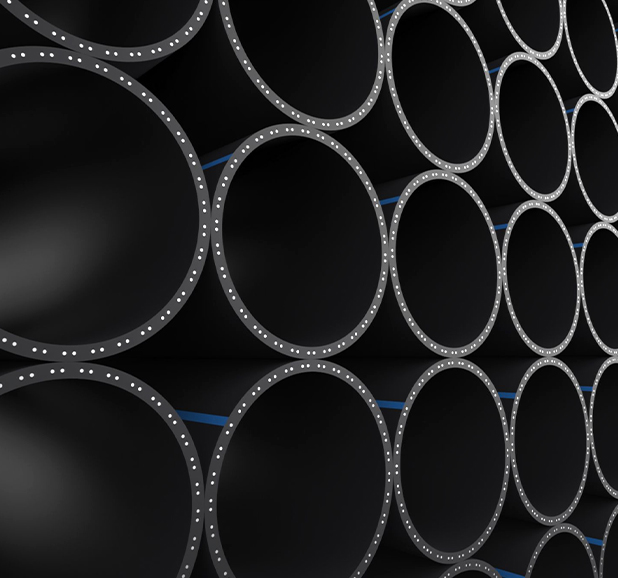
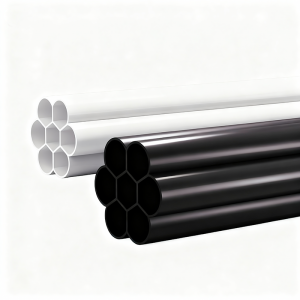
- Straight pipes are typically bundled in hexagonal packs. Plastic end caps are fitted on both pipe ends before bundling.
- Pipes with a nominal outer diameter of 300mm or greater are usually not bundled but have a protective layer applied over the external plastic coating.
- Pipes with welded flanges have protective sleeves placed over the flange ends.
- Labeling Requirements:Each package includes a product certificate indicating the product name, specification/model, quantity, standard number, production date, batch number, inspection marks, and manufacturer information.
- Transportation Notes:Packaged pipes must be handled with care during transport. Avoid severe impact, throwing, prolonged exposure to sunlight, dragging, and scratching with sharp objects. Use nylon slings for loading and unloading.
- Storage Conditions:Pipes should be stored straight in an indoor environment, at least 1 meter away from heat sources. If stored outdoors, they must be covered with a waterproof tarpaulin. Avoid long-term storage in areas exposed to direct sunlight or extreme cold. When stacked, the bottom layer should be supported on two bearers, each at least 100mm wide, ensuring the pipes are raised at least 100mm off the ground.
9. Sales Service
- Pre-Sales:Provide product selection consultation and technical design support, recommending the most suitable product specifications based on client requirements.
- In-Sales:Offer professional technical guidance during the pipeline installation process to ensure joining procedures comply with specifications.
- After-Sales:Provide quality assurance and long-term technical support. Maintain a rapid response mechanism to promptly address client feedback and needs.
10. Corporate Strengths
- Specialized Expertise:Possess professional design and manufacturing technology for ground-source heat pump (GSHP) piping systems, offering tailored pipeline solutions for geothermal exchange systems.
- Quality Assurance:Strictly implement international and domestic quality standards to ensure stable and reliable product performance.
- Proven Experience:Have accumulated extensive practical experience from numerous GSHP projects, enabling the provision of feasible and effective solutions for clients.
- Innovation & R&D: Continuously engage in product research, development, and technological innovation to enhance product performance and service life.
- Comprehensive Service:Provide full-spectrum professional services from design and production to installation and after-sales support.
Zhongcai(Sancai) Pipe has 20 years of industry experience and serves over 500 customers worldwide. Its advantages include:
- Advanced production capacity: Automated production line with an annual output of over 100000 tons, meeting large-scale demand. R&D Strength: Collaborate with universities to continuously innovate products, such as anti-static PE pipes. Customer case: Successfully participated in the Asian municipal water supply project, with a customer satisfaction rate of 98%. Environmental Commitment: Use recyclable materials, reduce carbon footprint, and support green buildings.
- Strict quality control: Establish a sound quality management system, implement full process quality monitoring from raw material procurement to product delivery, and rigorously inspect every link to ensure reliable product quality.
- Rich industry experience: With years of deep cultivation in the pipe and fittings industry, we have accumulated rich project experience and successfully served numerous large-scale municipal, construction, industrial and other projects, winning widespread recognition and praise from customers.