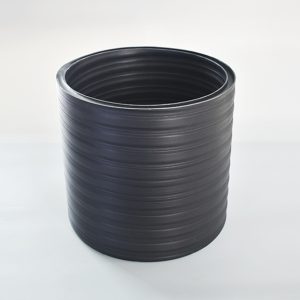
Krah Pipe (High-Density Polyethylene Spirally Wound Structural Wall Pipe)
Krah Pipe (High-Density Polyethylene Spirally Wound Structural Wall Pipe)
Implementation Standard: GB/T 19472.2-2017 Type B Structural Wall Pipe
Material: High-Density Polyethylene (HDPE) Resin
Caliber range: DN200-DN4000
Custom orders are supported.
Description
1.Product Introduction
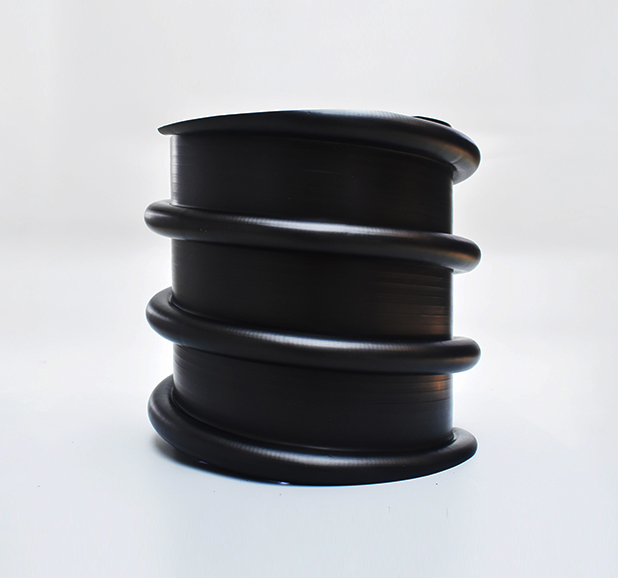
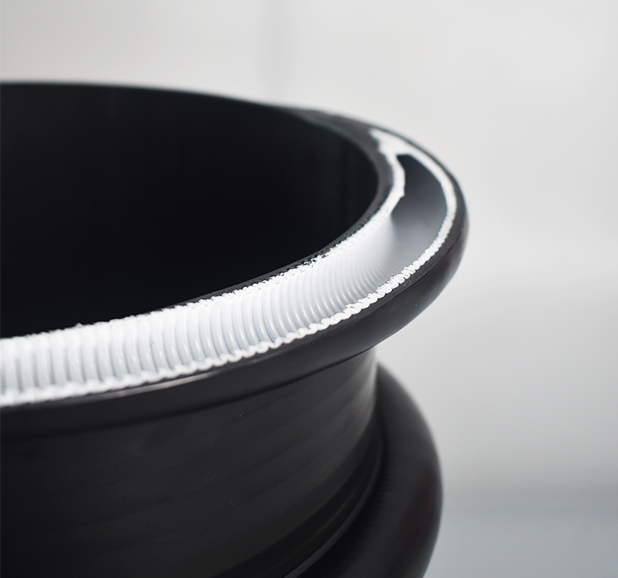
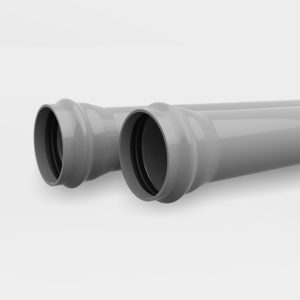
Krah Pipe, fully known as Hot-Wound High-Density Polyethylene Spirally Wound Structural Wall Pipe, is a new type of profiled structural wall pipe. It is manufactured using high-density polyethylene (HDPE) resin and polypropylene (PP) as raw materials, formed through a spiral winding process in a hot-melt state. Its distinctive feature lies in the use of polypropylene (PP) single-wall corrugated pipes as the supporting structure, resulting in a special structural wall pipe with high external pressure resistance.
Origin of the Name “Krah Pipe”: This type of pipeline was initially introduced to China by a domestic company from the German company Krah, hence its common name in China is “Krah Pipe.” Its official name is High-Density Polyethylene Structural Wall Hot-Wound Pipe.
Parameter Categories | Specific Indicators | Technical Parameters/Characteristics |
Raw Materials | Main Pipe Material | High-Density Polyethylene (HDPE) Resin |
| Support Structure | Polypropylene (PP) Single-Wall Corrugated Pipe |
Dimensions & Specifications | Internal Diameter Range | DN200-DN4000 |
| Standard Length | 6 meters |
Structural Series | PR & OP Series | Primarily used for buried drainage pipelines. |
| SQ Series | Primarily used for buried drainage pipelines. |
| VW Series | Primarily used for secondary processing into fittings like tees and elbows |
Performance Indicators | Internal Wall Roughness Coefficient | Approximately 0.010, indicating high water conveyance efficiency |
| Design Service Life | Over 50 years. |
Product Standards | Chinese Standards | GB/T 19472.2-2017 Type B Structural Wall Pipe |
| European Standards | EN-13476 |
3.Connection Methods
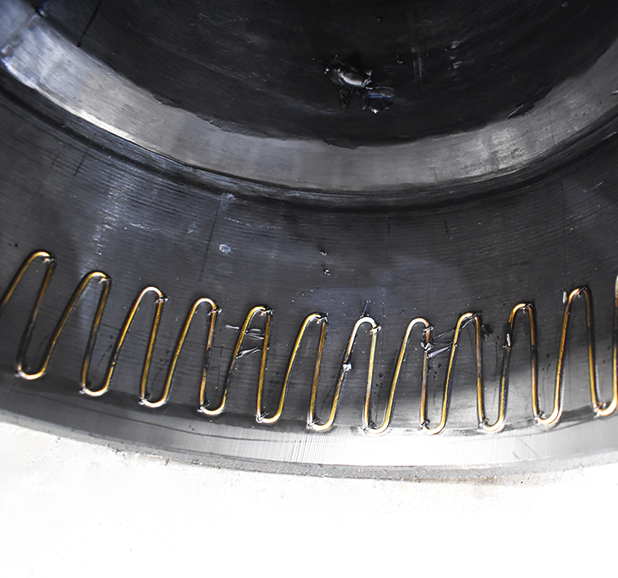
The Krah Pipe primarily employs the bell-and-spigot electrofusion connection technology.
- Working Principle:During the production of the pipe bell, heating wires are pre-embedded. On-site installation involves using a dedicated electrofusion welding machine to supply power, heating the wires. This causes the HDPE material of both the bell and spigot to melt and fuse into a single, monolithic unit, forming a joint whose strength and stiffness are equivalent to the pipe body itself.
- Core Advantage:This connection method achieves a 100% leak-proof seal, ensuring the safety and long-term service life of the pipeline system.
- Key Construction Points:
- Trench Preparation:The clear width at the trench bottom should be the pipe’s outer diameter plus 600mm to facilitate manual work at the base.
- Foundation Treatment:For general soil conditions, only a 100mm-thick sand bedding layer is required. For soft soil foundations, a combined layer of sand-gravel and sand bedding is necessary, with a total thickness not less than 200mm.
- Installation:Manual installation is typically used, where workers at ground level lower the pipe ends to construction personnel in the trench.
4.Key Advantages & Selling Points
- Excellent Structural Performance
- High-Quality Weld Seams:The hot-winding process ensures the molten strips bond tightly with the mold. Furthermore, the weld seam of the flat strip is covered by the supporting pipe, significantly enhancing external pressure resistance.
- High Ring Stiffness with Flexibility:The pipe exhibits macroscopic flexibility to adapt to ground settlement, while local pipe sections possess high rigidity and overall external pressure resistance, ensuring safety under heavy-load roadways.
- Outstanding Durability & Environmental Friendliness
- Corrosion Resistance & Long Life: HDPE is resistant to chemical corrosion. No additional anti-corrosion treatment is needed when used in corrosive soils or for conveying corrosive fluids. The design service life exceeds 50 years.
- Recyclable & Eco-friendly:The main raw materials are non-toxic, and no pollutants are generated during production. Waste pipes can be 100% recycled, making it a green product.
- Superior Hydraulic Characteristics & Construction Convenience
- High Flow Capacity:The smooth inner wall has a low roughness coefficient (N≈0.010), resulting in low frictional resistance during fluid conveyance and a larger flow capacity compared to other products of the same inner diameter.
- Rapid Installation & Low Overall Cost:Lightweight for easy transport and handling. No concrete bedding or foundation is required, allowing for simultaneous excavation, pipe laying, and backfilling, which simplifies procedures and shortens the construction period.
5.Product Applications
- Municipal Drainage & Sewerage:The PR and OP series are primarily used for buried drainage pipelines, making them the preferred choice for urban sewer and drainage systems.
- Water Conservancy Projects:Widely used in urban water supply, long-distance water transmission, and agricultural irrigation projects.
- Special Components:The SQ series is used for manufacturing containers or manholes; the VW series is used for producing fittings like tees and elbows.
6.Testing & Certifications
The production and inspection of Krah Pipes strictly adhere to rigorous national and industry standards.
- GB/T 19472.2-2017:Chinese National Standard – Polyethylene (PE) Structural Wall Piping Systems for Buried Drainage and Sewerage — Part 2: Polyethylene Spirally Wound Structural Wall Pipes.
- EN 13476:European Standard, indicating the product meets internationally advanced levels.
- Leak Tightness Testing:Pipeline seal integrity is crucial and can be tested via various methods such as hydrostatic testing, pneumatic testing, or vacuum box leak detection. For project acceptance, air pressure testing can replace traditional water testing, accelerating the acceptance process and saving on testing costs.
7.Manufacturing Process Flow
- Raw Material Preparation:Main raw materials include HDPE resin and PP for the support structure.
- Hot-Winding:Flat strips and U-shaped strips extruded in a molten state from the extruder die are uniformly wound onto a heated drum mold according to a predetermined pattern. Technologies like internal/external circulation cooling and double-rib reinforced waveform processes may be applied to ensure uniform wall thickness and reliable weld seams.
- Cooling & Demolding:The formed pipe is air-cooled for cold demolding. This process helps avoid internal stress, ensuring dimensional stability and structural strength.
- Post-Processing & Inspection:Includes online turning/trimming, pre-embedding of electrofusion wires, followed by strict quality inspection before packaging and warehousing.
8. Packaging and Delivery
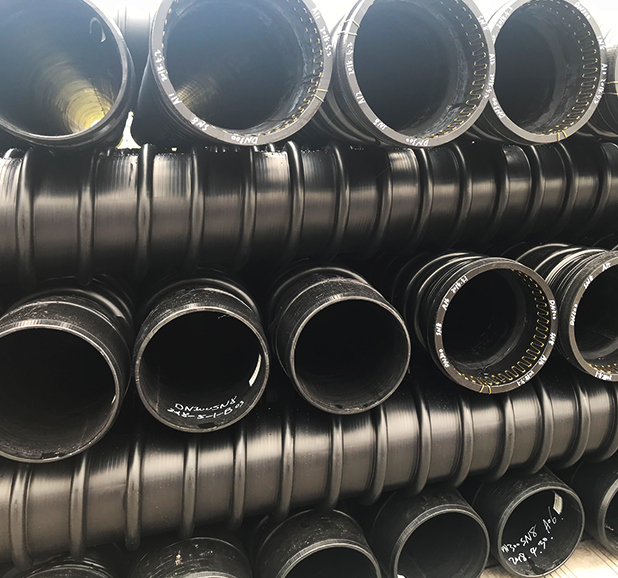
- Professional Packaging:To prevent damage during transport and storage, manufacturers use professional packaging methods, such as fitting plastic caps on both pipe ends.
- Flexible Delivery:Reputable manufacturers arrange production plans based on customer orders and project schedules, utilizing efficient logistics systems to ensure timely and safe delivery to specified locations.
9. Sales Service
- Pre-Sales:Provides product selection consultation, technical solution design, and construction feasibility analysis, recommending the most suitable pipe series and connection based on your project needs.
- In-Sales:Offers professional technical guidance during installation and may even provide dedicated electrofusion welding equipment free of charge to ensure connection procedures meet specifications and guarantee construction quality.
- After-Sales: Establishes a rapid response mechanism to promptly address any issues encountered during pipeline use, providing long-term technical support and maintenance guidance.
10. Corporate Strengths
- Leading Technology & Process:Possesses advanced production lines (e.g., incorporating German technology) and continuously engages in technological innovation (e.g., internal/external circulation cooling, double-rib reinforced waveform processes), ensuring superior product performance.
- Quality Assurance System:Implements a complete quality assurance system from raw material intake to finished product delivery, strictly adhering to national and international standards.
- Comprehensive Product Range:Capable of producing a full series of products with inner diameters ranging from DN200 to DN4000, meeting diverse engineering requirements.
- Extensive Project Experience:Products have been successfully applied in numerous municipal, water conservancy, and industrial projects, accumulating valuable practical experience.
Zhongcai(Sancai) Pipe has 20 years of industry experience and serves over 500 customers worldwide. Its advantages include:
- Advanced production capacity: Automated production line with an annual output of over 100000 tons, meeting large-scale demand. R&D Strength: Collaborate with universities to continuously innovate products, such as anti-static PE pipes. Customer case: Successfully participated in the Asian municipal water supply project, with a customer satisfaction rate of 98%. Environmental Commitment: Use recyclable materials, reduce carbon footprint, and support green buildings.
- Strict quality control: Establish a sound quality management system, implement full process quality monitoring from raw material procurement to product delivery, and rigorously inspect every link to ensure reliable product quality.
- Rich industry experience: With years of deep cultivation in the pipe and fittings industry, we have accumulated rich project experience and successfully served numerous large-scale municipal, construction, industrial and other projects, winning widespread recognition and praise from customers.